Telephone Counselling

Telephone Counselling
Our Google Reviews




A simple, steady way to talk
Telephone counselling offers a quiet, private way to access support without being on camera or travelling anywhere. It’s a gentle option if you prefer voice‑only communication, want fewer distractions or feel more comfortable talking without being seen. Many people find it easier to settle into the conversation when visual pressure is removed. You don’t need the right words before you begin. When things feel unclear, it’s okay to take your time. You’re welcome exactly as you are.
What telephone counselling involves
Telephone counselling gives you dedicated time to talk through what’s happening in your life. Without visual demands, many people find it easier to open up gradually and stay grounded. Sessions are shaped around what you’re going through, how you communicate and what feels manageable in the moment. This is your space, and it moves at your pace.
Calm, predictable and easy to access
People choose telephone counselling for many reasons. Some prefer the calm of a familiar environment. Others find voice‑only communication less overwhelming or more predictable. For many, it’s simply a gentler way to begin therapy. Whether you’re at home, travelling or somewhere quiet, telephone counselling offers steady support without the pressure of being seen.

A neuro‑inclusive, low‑demand approach
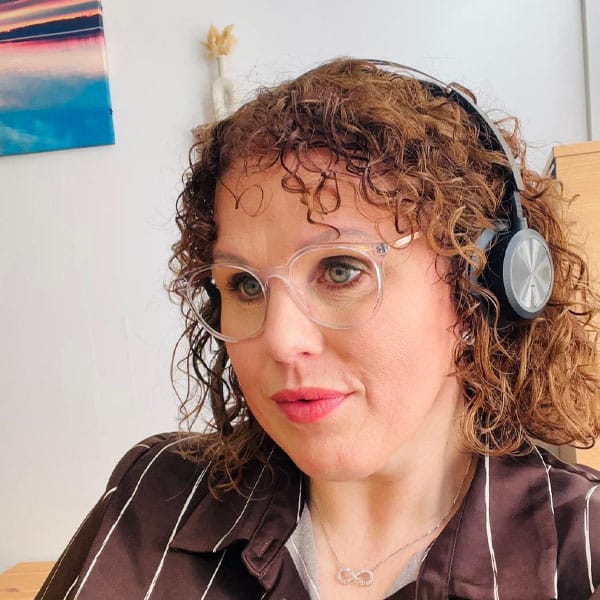
Telephone counselling fits naturally with neurodivergent needs. Without visual processing demands, sessions often feel calmer and easier to regulate. You can take breaks, move around, use grounding tools or sit quietly while you think. There’s no expectation to mask or perform. You’re free to communicate in the way that feels most natural.
Support for whatever you’re navigating
Telephone counselling can help with anxiety, low mood, burnout, overwhelm, trauma, grief, identity exploration, neurodivergent‑related challenges and relationship stress. It offers a private space to explore what you’re feeling without judgement or pressure.
What sessions can look like
A typical session begins with gentle check‑ins and unfolds at a pace that feels manageable. You can talk, pause or reflect whenever you need to. We might explore thoughts, patterns or emotions, or use grounding techniques if things feel overwhelming. You can talk while sitting, walking, lying down or using anything that helps you feel safe. There is no right way to be on the phone. You can arrive exactly as you are.
Choose the format that feels most comfortable
You can choose video sessions if you prefer a face‑to‑face feel without leaving home. Camera‑off sessions are ideal if video feels distracting or overwhelming. Audio‑only sessions offer a simple, low‑pressure way to talk. Chat‑based sessions can be helpful if you prefer writing or need more time to process before responding.
Each option is shaped around your comfort and your way of communicating.
How to begin online counselling
You don’t need to feel ready or confident to start. You can send a message, ask a question or book an initial session whatever feels easiest. We take things one step at a time.
If you ever need urgent help, please contact emergency services or your local crisis team, as this service cannot provide crisis support.
Support that feels steady, safe and grounded
Neuro-affirming, trauma-informed approach
Highly qualified team sharing the same values and expertise
Registered members of professional bodies with strict qualification and ethical requirements
Fully qualified and insured
Enhanced DBS checked
ICO registered
Large team of counsellors & psychotherapists working with children, adults, couples & familes
Client-led therapy, no fixed model or pressure with a choice of face-to-face, online or telephone therapy
Specialist training in trauma, sleep difficulties, abuse & CBT
Lived experienced shaping our approach
How it works
Counselling in York & the UK that helps you move forward
In 3 simple steps
Your First Session
A calm, introductory chat to understand what you need and ask any questions. There’s no expectation to commit; it’s just space to see if this feels right. You decide the next step.
Your First Session
A calm, steady first meeting where you can share what’s been going on at a pace that feels manageable. You don’t need to prepare anything; we simply begin where you are.
Ongoing Support
Regular sessions shaped around your needs, communication style and pace, guided by you at all times. Support can be in York, online or by telephone, adjusting as things change.
Book a Free Consultation
Finding the right therapist matters; feeling genuinely understood matters even more.
Whether you’re looking for a therapist near me in York or support from anywhere in the UK, we offer steady, affirming help.
Take the first step and get in touch for a free, no-obligation initial conversation.
FAQ's

Who is sleep therapy for?
Sleep therapy is helpful for anyone experiencing ongoing difficulties with rest, whether that’s trouble falling asleep, waking frequently, or feeling unrefreshed. People often begin by searching for insomnia treatment, sleep therapists, or a sleep consultant UK when they’re unsure where to turn.
Support may include sleep relaxation strategies, CBT for insomnia treatment, or guidance from a therapist for sleep disorders. These approaches can be especially useful if you’ve already tried self‑help methods or general sleep services without success.
If you’ve been looking for private sleep support, a sleep consultant, or a sleep expert near me, sleep therapy offers a personalised, evidence‑based way to understand your sleep patterns and make meaningful, lasting changes.
What happens in the free consultation chat?
During the free consultation chat, we talk about what has made you consider counselling and what you’re hoping to get from support. This helps us understand whether counselling feels right for you and which approach may suit you best. You’re welcome to ask as many questions as you like, and there’s no pressure to book a session straight away. You can take your time to think things over and decide at your own pace.
Do you offer counselling in York and across the UK?
Yes. We offer face‑to‑face counselling in York city‑centre space, as well as online and telephone support across the UK. People attend from York and nearby areas, including Goole, Harrogate, Malton, Selby, Pocklington, Tadcaster, Leeds and Easingwold, as well as clients from across England, Scotland, Wales and Northern Ireland. Our York location is ground‑floor, accessible and sensory‑considerate.
Recent Instagram Posts
Recent Blogs

What Is Emotional Overwhelm?
What Is Emotional Overwhelm?Many people use the word "overwhelmed", but emotional overwhelm is often misunderstood. Emotional overwhelm isn't simply having too many emotions. It's what can happen when your nervous system reaches its capacity to process everything...

What Is Masking? Understanding Neurodivergent Masking
What Is Masking?Many neurodivergent people talk about "masking", but the term is still widely misunderstood. Masking refers to the conscious or unconscious ways someone may hide, suppress or alter parts of themselves in order to fit into social expectations. While it...

What Is a Shutdown? Understanding Neurodivergent Shutdowns
What Is a Shutdown?Many neurodivergent people experience shutdowns, yet they're often misunderstood by those around them. A shutdown isn't someone being rude, ignoring others or choosing not to engage. Instead, it's often a sign that the nervous system has become...
Recognised by: